Crater Floor Game Drives
Descend into the crater for a game drive across grasslands, lakes and acacia woodland, where wildlife is often seen at close range.
Northern Tanzania Safari
Crater landscapes and exceptional wildlife in one of Africa's most dramatic natural settings.
Ngorongoro Conservation Area combines a vast volcanic crater, highland forests and rich wildlife viewing within a short distance.
Northern Circuit · Tanzania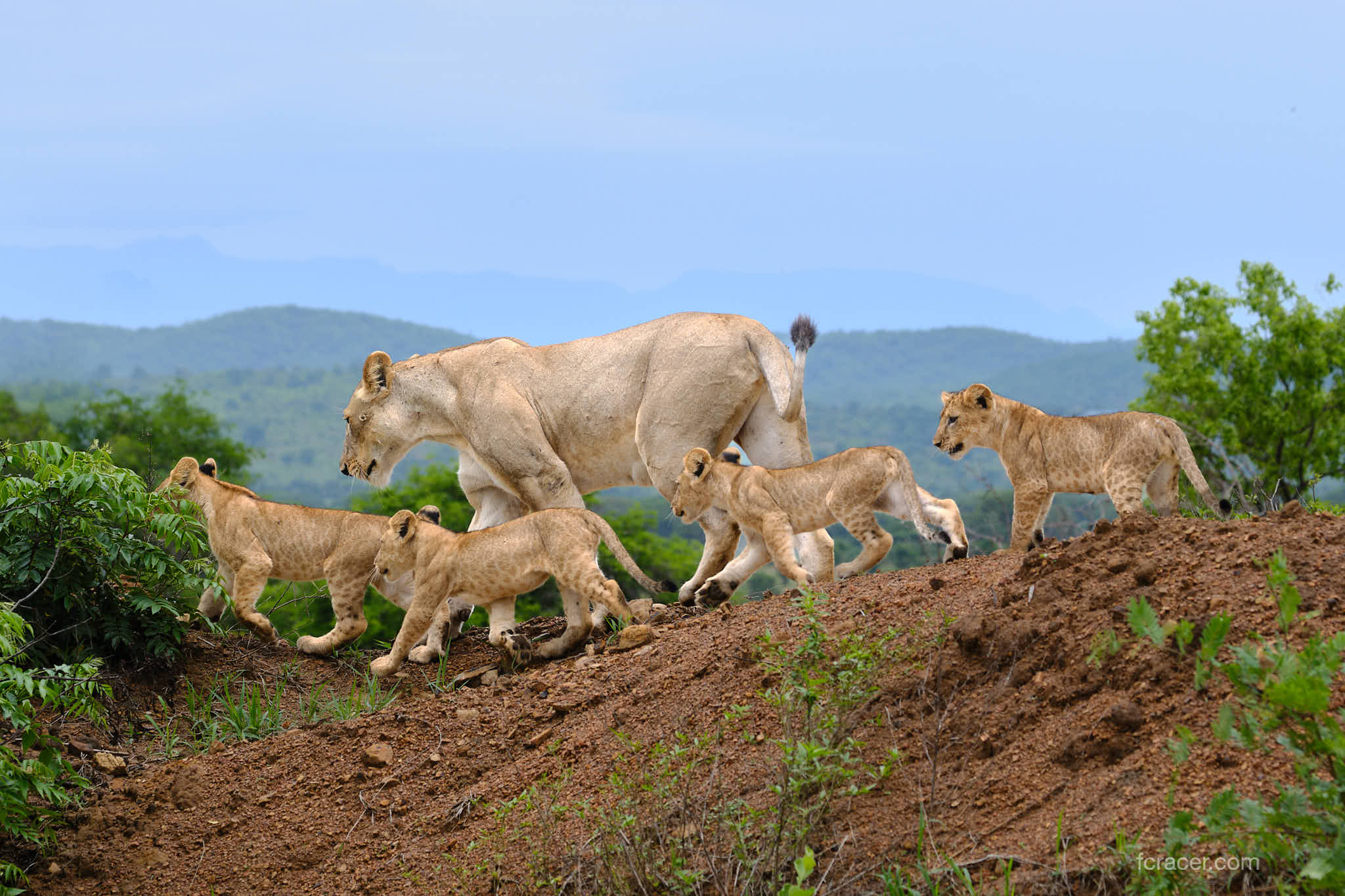
Discover Ngorongoro
Ngorongoro Crater is the world's largest intact volcanic caldera and a UNESCO World Heritage Site. Its walls rise steeply around a floor of grassland, lakes and woodland.
Because the crater holds permanent water and varied habitats, wildlife is concentrated and often easy to see, making it one of Tanzania's most rewarding places for a game drive.
The wider conservation area is also home to Maasai communities, forested highlands and important archaeological sites.
Highlights
The crater and its surroundings offer much more than a single day trip.
Descend into the crater for a game drive across grasslands, lakes and acacia woodland, where wildlife is often seen at close range.
Lodges and camps on the rim offer sweeping views over the caldera, especially in the soft light of early morning.
The cool, green highlands around the crater add a different feel to a safari, with misty mornings and forest birdlife.
Wildlife Encounters
The crater supports lions, elephants, buffalo, hippos, hyenas and zebra, along with one of the best chances in Tanzania of seeing black rhino.
Flamingos may be seen on Lake Magadi at certain times, while many other bird species live across the crater.
Things to Do
Plan your time in the conservation area around the crater and its surroundings.
A morning descent into the crater with a professional guide, usually ending with a picnic lunch.
Dramatic scenery and concentrated wildlife make for striking images.
Meet local communities and learn about traditional life in the highlands.
Visit the museum and gorge known for its role in the study of early human history.
Look for flamingos, raptors and many resident bird species.
Where permitted and with an authorised guide, enjoy short walks along the crater rim.
When to Visit
Your ideal travel period depends on the experiences and landscapes you want to enjoy.
Drier weather and good roads make wildlife viewing straightforward, although the crater can be busy in peak months.
Scenery is lush and visitor numbers can be lower. Rain may affect road conditions on some days.
Plan Your Visit
Ngorongoro is usually reached by road from Arusha via Karatu, often as part of a longer northern Tanzania safari.
Early starts help you enjoy the crater floor before it gets busy.
Northern Tanzania Safari
Tell us your dates, group size and what you hope to experience, and we will shape a journey around it.
Plan Your Ngorongoro Journey