Machame Route
A scenic and popular route with good acclimatisation, camping and varied landscapes. Often walked over 7 days.
Climbing & Trekking
Africa's highest mountain, climbed step by step through rainforest, moorland, alpine desert and a summit above the clouds.
Kilimanjaro is the tallest free-standing mountain in the world and a trek that needs no technical climbing skills, only preparation, time and good guides.
Kilimanjaro National Park · Tanzania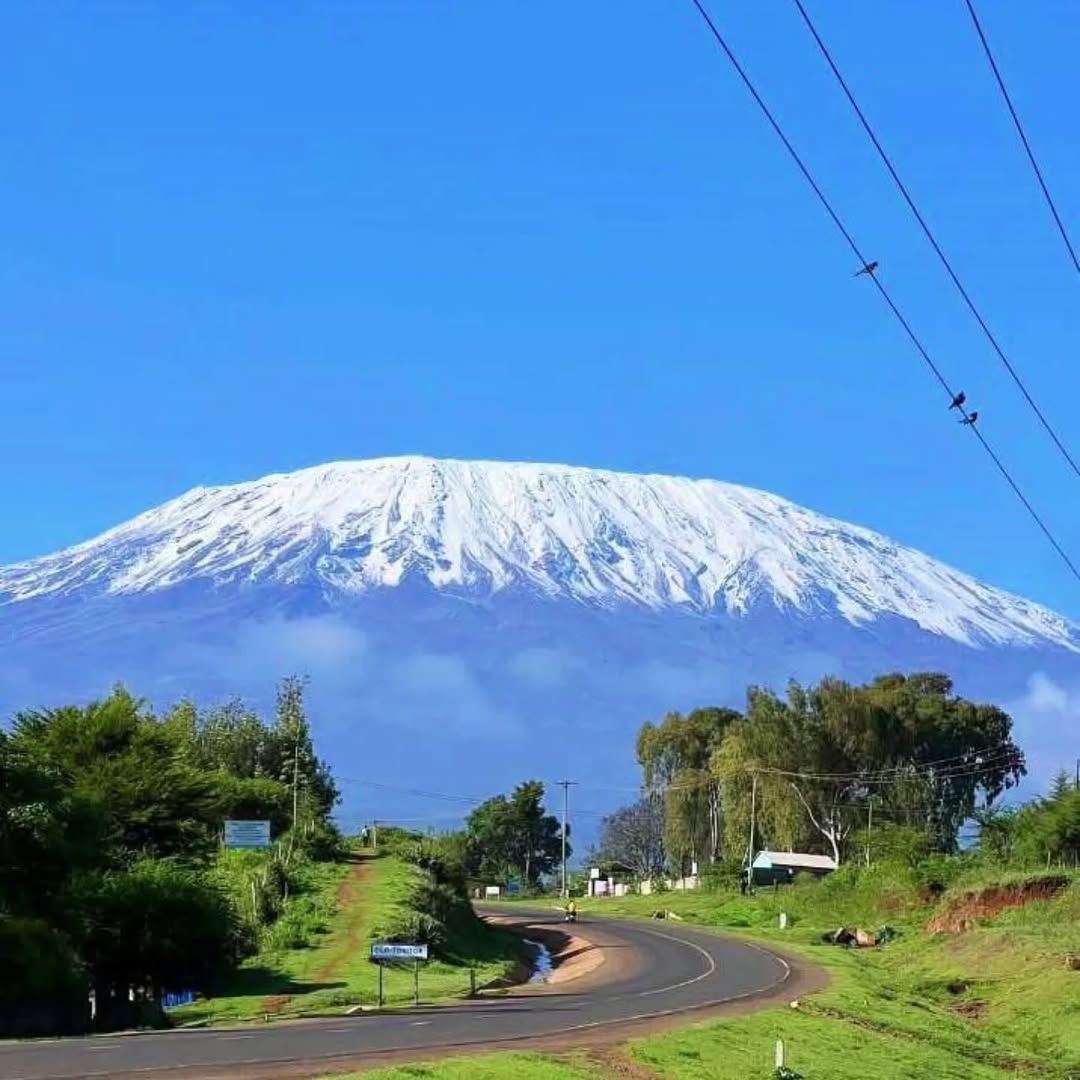
Discover Kilimanjaro
Mount Kilimanjaro rises above the plains of northern Tanzania to 5,895 metres at Uhuru Peak. It is a UNESCO World Heritage Site and one of the most popular trekking goals in Africa.
The climb passes through several climate zones, from farmland and rainforest to heather, moorland, alpine desert and finally the glaciated summit area. Each day looks and feels different.
Most climbers need no ropes or technical gear. What matters most is choosing the right route, allowing time to acclimatise, and walking slowly with a strong support team.
Highlights
Several routes lead to the summit, each with its own character.
A scenic and popular route with good acclimatisation, camping and varied landscapes. Often walked over 7 days.
Quieter approaches with more days on the mountain, which improves the chance of reaching the summit.
The route with huts for sleeping instead of tents, usually over 5 or 6 days. A longer schedule is easier on the body.
On the Mountain
The lower forest is home to colobus and blue monkeys and many birds. Higher up, the landscape opens into moorland with giant groundsels and lobelias, then the stark alpine desert.
Mountain weather changes quickly. Sunrise from the crater rim, and the view across the clouds, are what many climbers remember most.
Things to Do
Plan the climb around your route, your fitness and the time you can give the mountain.
Experienced mountain guides, cooks and porters walk with you from gate to summit.
Longer routes give the body more time to adjust to altitude.
Practical guidance on preparation, kit and what to pack.
Rest in Arusha or Moshi before and after your trek.
Follow the climb with Tarangire, Ngorongoro or Serengeti.
Finish with a few days on the beach after the summit.
When to Visit
Your ideal travel period depends on the experiences and landscapes you want to enjoy.
Generally drier with better visibility. June to October is the most popular period and the trails can be busier.
Wetter and cloudier on the lower slopes, but quieter trails. Good waterproof kit is essential.
Plan Your Visit
Most climbs start from Moshi or Arusha, with a transfer to the park gate. Kilimanjaro International Airport is the closest airport.
Altitude affects everyone differently, so we recommend choosing a longer route and speaking to your doctor before travel.
Journeys with Avalia
Climbs and combinations from our itinerary collection, from Machame and Marangu to Kilimanjaro with safari and Zanzibar.
An eight-day Kilimanjaro climbing concept using the Machame Route, known for its varied mountain landscapes.
View journey → 7 daysA Machame Route climbing concept for travellers seeking a mountain-focused Tanzania adventure.
View journey → 7 daysThe classic Marangu Route, also known as the Coca-Cola Route, with mountain hut accommodation.
View journey → 6 daysA Marangu Route mountain journey using the designated mountain huts.
View journey → 18 daysA Kilimanjaro Lemosho climb followed by northern Tanzania safari and Zanzibar.
View journey → 19 daysAn eight-day Lemosho climb followed by northern Tanzania safari and Zanzibar.
View journey →Climbing & Trekking
Tell us your dates, group size and what you hope to experience, and we will shape a journey around it.
Plan Your Kilimanjaro Journey